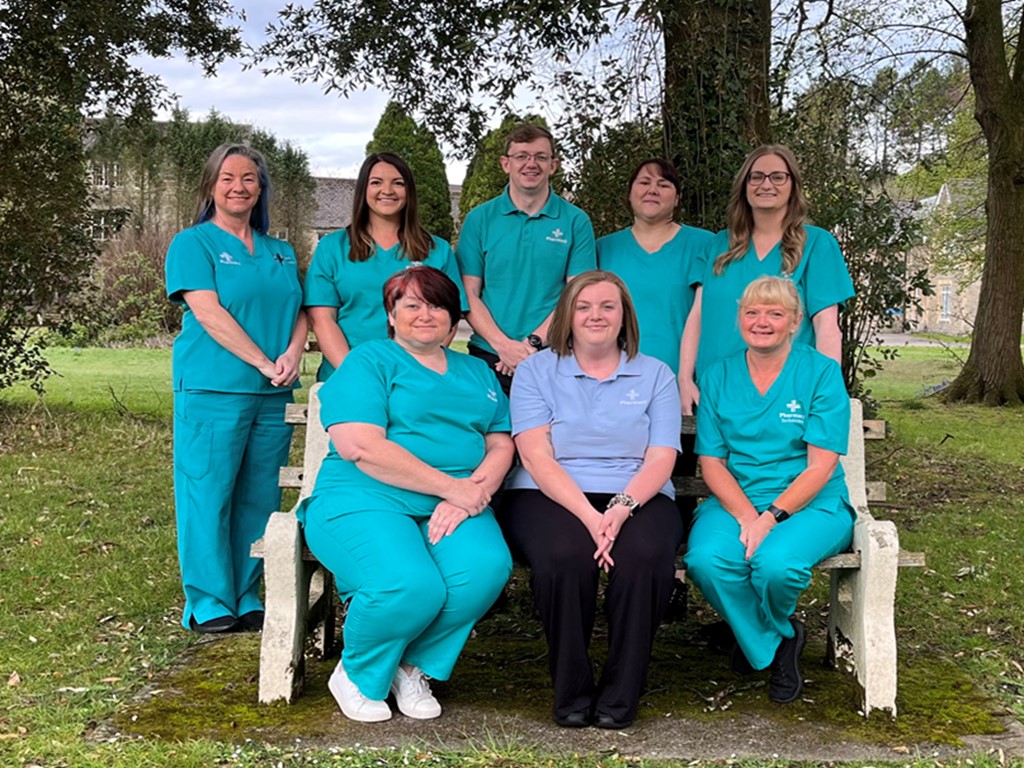
Ensuring the right support for the right patients
Individuals are assessed by a Pharmacy Technician from the Medicines Optimisation Team (MOT). If appropriate the Pharmacy Technician installs a digital medication management device as an outcome of the assessment, working closely with the patient and their family, providing ongoing technical support and remotely monitoring progress and adherence rates.
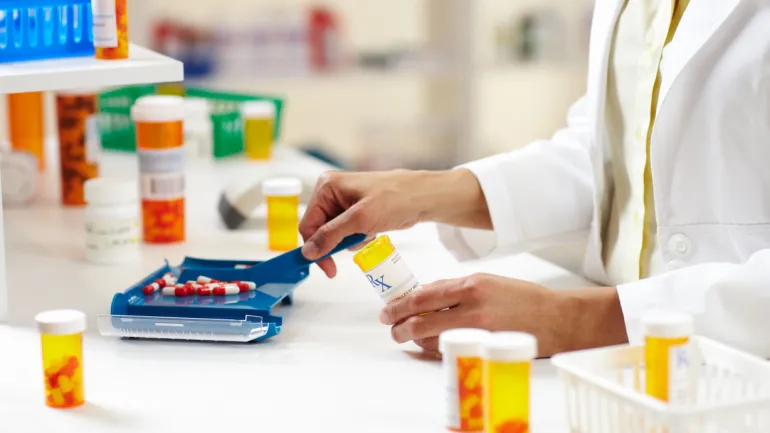
The Community Pharmacy dispense medicines directly into the device, conducting regular reviews with the patients and/or family members. The review is designed to address any issues with safety and ensure opportunities for early intervention is undertaken whenever changes in adherence are detected.
All individuals referred to the MOT were assessed fairly, with priority given to those with complex medication needs, risk of medication related harm, or potential to remain independent with support. A key factor included those most likely to benefit from reminder alerts or remote monitoring, ensuring resources were used practically.
User experiences with the digital medication management device
Digital medication management devices can make a significant difference, not just for users, but their families and unpaid carers. In particular, three women in Bridgend have shown profound outcomes, that’s transformed their daily lives, showcasing a journey from overwhelmed and dependence, to confidence, safety, and renewed independence.
Regaining confidence and independence with YOURmeds
Nicola, a retired nurse living with multiple health conditions, faced daily challenges managing a complex medication regime. Severe fatigue and disrupted sleep patterns meant she often missed doses or took medication at the wrong time. Traditional pill boxes were no longer enough for Nicola; she worried about making mistakes and lost trust in her own ability to manage it.
Introducing the YOURmeds device has transformed Nicola’s routine, providing clear reminders and tracks when medication is taken. If a dose is missed, alerts can be sent to Nicola or her support network. For Nicola, this has restored her sense of control, meaning that she can check messages to confirm whether she’d taken her medication.
“Alarms go off when I need to take things, and now if I’m confused, I can just check my messages to see whether I’ve taken what I should’ve done. I’ve got more control, and it’s given me my confidence back.”
Independence and family peace of mind with Pivotell
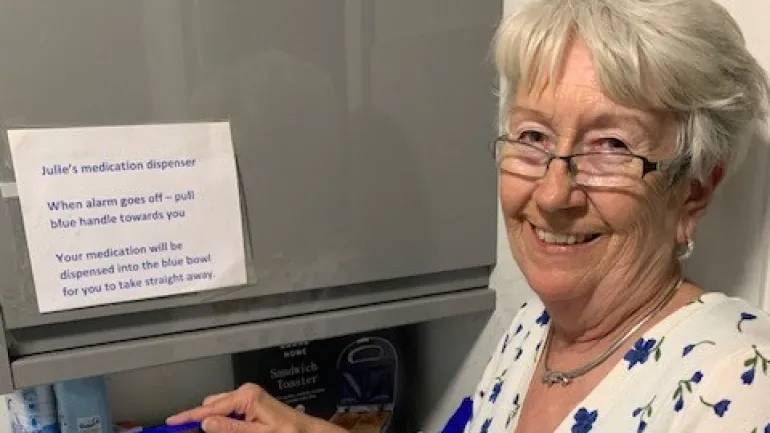
Julie, 67 and living with dementia, wanted to remain in her own home. Her three sisters, who cared for her, found it increasingly difficult to ensure she took her medication correctly. The risk of missed doses, or double doses caused anxiety and frequent visits, sometimes up to three times a day, leading to stress and emotional exhaustion for the whole family. For someone like Julie, who’s always been independent in the past, it was hard for her to have to rely on her sisters so much.
A referral led to Julie trialling the Pivotell automatic pill dispenser, presenting the correct medication at the right time. For Julie, this meant that she could take her medication safely and confidently on her own. The device, including a tipper stand for easier access and optional alerts to family or telecare services provided an extra layer of safety.
“I love it, it’s much easier for me than trying to remember my tablets”, says Julie. “I only have to tip it towards me, and the tablets fall into the bowl… I can carry it into my bedroom if I decide to watch tv in bed some evenings, and it saves me getting up to go to the kitchen to take them when it goes off.”
The impact was profound. Julie’s medication adherence improved, helping to slow the progression of dementia, and extend her ability to live independently. The stress and conflict around medication were removed, and her sisters found significant peace of mind in their own wellbeing, and knowing Julie was safe.
Jennifer, Julie’s sister said: “It’s made our lives so much easier… we’ve all got out lives back since Julie’s been using the device, and it’s really helped to improve the dynamic of our family relationship.”
From overwhelm to independence
Anita cares for her husband with dementia, but was struggling to manage her own medication, leading to health issues and multiple falls. Initially reluctant to accept help, Anita later admitted feeling overwhelmed.
Several solutions were trialled to help support with the YOURmeds device proving the most effective.
“I had fibromyalgia, I was confused, and I wasn’t taking all my meds because there was so many. The team in Bridgend were really good with me, I’ve had good support. I’m a different person, I’m back to normal as I used to be, much better.”
Now, Anita is 96% adherent to her medication and has greater independence. Her family receives alerts if she misses a dose, reducing their daily involvement. Most importantly, with Anita’s health improving, she’s even been able to go on holiday, something she never thought possible before.
“Now it doesn’t bother me at all taking so many [tablets], it’s like playing bingo!”
Impact on users
Patients using digital dispensers achieved adherence rates of 80% or higher, reducing missed doses and medication errors.
83% of family members/unpaid carers reported feeling more supported, less isolated, and more confident in the care their loved ones received.
Real-time monitoring and alerts enabled timely interventions, reducing medication-related harm and avoidable hospital admissions.
Many patients were able to manage their medicines more independently, regaining autonomy and confidence, and reducing the need for care visits.
For seven individuals, using digital medication dispensers meant 25 fewer hours of domiciliary care per week – equivalent to approximately £37,000 annually. This freed up valuable resources, allowing care teams to support more people who need help.
Impact on health and care providers
The Medicines Optimisation Team became more efficient, freeing up staff time for new assessments. Despite a 34.5% increase in referrals, waiting times increased by less than a day.
Reduced falls and emergency calls, as high-risk medicines are managed more safely with dispensers, leading to fewer hospital admissions and reduced emergency ambulance use.
Fewer unscheduled GP visits, as correct medicine adherence and regular routine community pharmacy reviews help keep conditions stable, leading to fewer urgent GP appointments.
Prolonged independence for residents means less reliance on carers, easing demand on nursing services, while community pharmacy teams' involvement prevents early social care interventions.
Environmental impact
By addressing medication non-adherence, medication waste is reduced by helping patients achieve 80% or higher adherence, resulting in fewer medicines unused or discarded.
The Pivotell device uses a reusable insert, reducing single-use plastic waste, compared to traditional monitored dosage systems supplied by community pharmacies. For the 45 patients using Pivotell, there was a CO₂ reduction of 0.29 tonnes per year.
YOURmeds redesigned its medication tray carrier to use 95% recycled materials, shifting production the UK and sourcing components locally.
What’s next?
Digital medication management has substantial benefits in improving adherence, enhanced patient safety, and reducing the use of healthcare resources. Ultimately, this project highlights the role of digital medication management in domiciliary care and provides a replicable model for national implementation.
Looking ahead, the project in Bridgend continues to evolve, now expanding into new pathways such as Community Mental Health Services. This expansion highlights the role of partnerships with community pharmacies and other stakeholders, to ensure digital medication support can reach a broader range of individuals with complex needs. Sustaining and expanding these digital services through long-term funding models will be essential, as will integrating remote monitoring solutions with existing health and social care systems.
To find out more about the project, get in touch at hello@lshubwales.com.